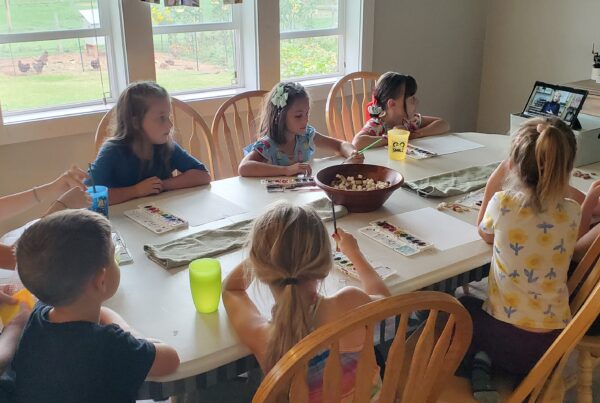
A common misconception about supported home learning is that it limits socialization opportunities for students. At Harmony Education Services, we know this couldn’t be further from the truth—supported home learning fosters meaningful connections through unique programs designed to build relationships and community.
The Importance of Socialization in Education
Socialization plays a critical role in child development, helping students learn essential life skills such as teamwork, empathy, and communication. While traditional schools provide built-in opportunities for peer interaction, home-based learning models can also offer effective ways to cultivate these connections.
Challenges in Traditional Models
In public schools, large class sizes and rigid schedules can limit meaningful interaction between peers. Homeschooling families often need to actively seek out social opportunities through co-ops or extracurricular activities. Supported Home Learning bridges these gaps by integrating structured socialization into the educational experience.
How HarmonyEd Supports Socialization
Harmony Education Services ensures students stay connected through:
- Options Day: Weekly group learning sessions where students collaborate on projects and build friendships in a structured environment.
- Extracurricular Activities: Educational allowances fund sports teams, music lessons, art classes, and other activities that promote peer interaction.
- Community Engagement: Families are encouraged to participate in local events or online communities tailored for supported home learners.
Real-World Success Stories
Take Olivia from Nevada, whose parents enrolled her in HarmonyEd after struggling to find consistent social opportunities through homeschooling. “Options Day has been amazing for Olivia,” her mother shares. “She’s thriving academically and has made close friends she sees every week.” Stories like Olivia’s demonstrate how supported home learning can foster both academic success and personal growth.
Tips for Enhancing Socialization at Home
Parents can further support their child’s social development by:
- Joining Local Co-ops or Clubs: Many communities offer homeschool groups or youth clubs that welcome supported home learning families.
- Encouraging Virtual Connections: Online study groups or extracurricular programs can help students build relationships with peers across the country.
- Participating in Community Events: Volunteering or attending local gatherings provides additional opportunities for interaction.
The HarmonyEd Difference
At Harmony Education Services, we believe education is about more than academics—it’s about fostering relationships that help children grow into well-rounded individuals. Our programs are designed to balance flexibility with opportunities for connection, ensuring every student feels supported both academically and socially.
Conclusion
If you’re considering supported home learning but worry about socialization, HarmonyEd offers proven solutions to help your child build meaningful connections beyond the classroom. Learn more about our programs today!
Sources: