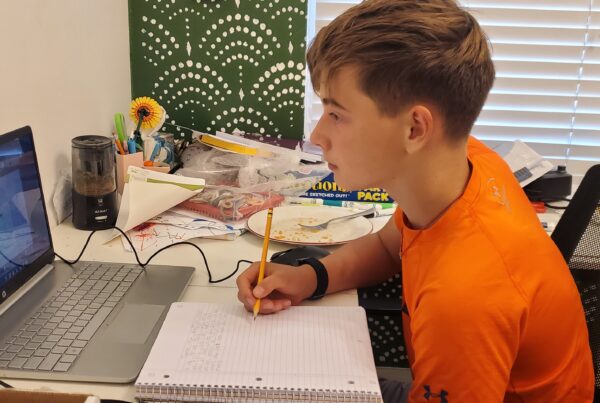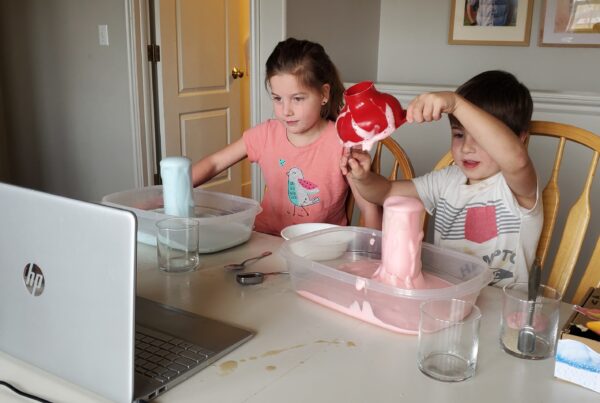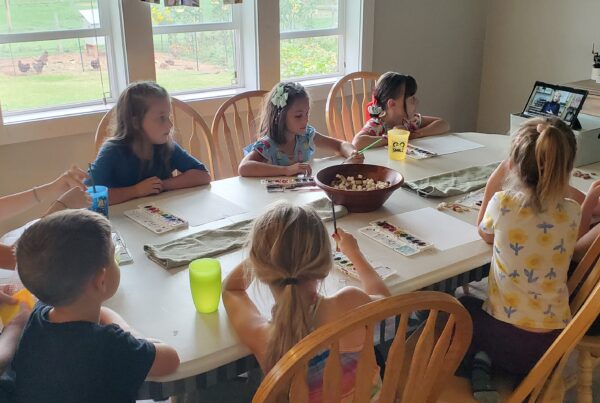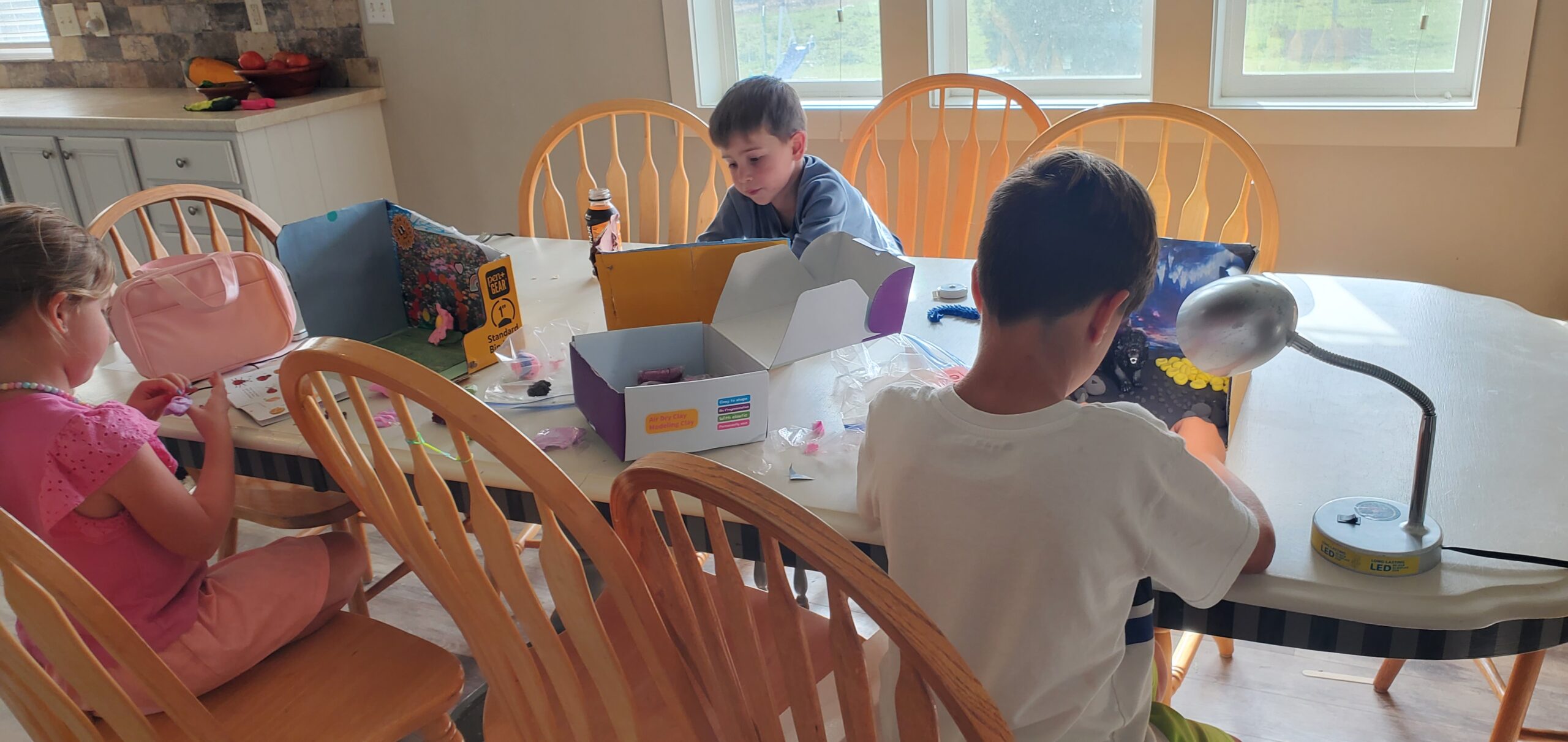
Think you have to wait until August to start homeschooling? Think again!
Whether your child is struggling in public school, your current homeschool program isn’t meeting their needs, or your family is simply ready for a change, you don’t have to wait for the next school year. Homeschooling mid-year is not only possible, it’s also something families do all the time!
Here’s how to get started.
1. Double-check your state’s homeschool requirements.
Before jumping into curriculum, take some time to understand your state’s homeschool requirements.
Depending on where you live and the type of educational program you’re choosing, you may need to:
- Submit a notice of intent to homeschool.
- Formally withdraw your child from their current school.
- Review state requirements for attendance, testing, and recordkeeping.
- Learn about program options and their enrollment process.
If you’re enrolling in a homeschool charter or education program like Harmony Educational Services, ask about its specific enrollment and withdrawal process. Harmony Educational Services is one of the few programs that actually allows mid-year enrollment!
A little research upfront will make the transition much smoother.
2. Give Your Child Time to Decompress
If your child is leaving a stressful school environment, don’t feel like you need to jump straight into a full homeschool schedule. Give them time to breathe! Depending on your circumstances and state requirements, consider taking a few days or even a few weeks to decompress. Read books together, visit the library, explore nature, work on fun projects, and let your child rediscover the joy of learning without the pressure of grades and assignments.
This is also a great time to reconnect and figure out what your child needs from their new learning environment.
3. Use Placement Tests to Find Your Starting Point
One of the best things about homeschooling is that your child doesn’t have to be at the same grade level in every subject. Your sixth grader might be reading at an eighth-grade level but working through fourth-grade math. That’s perfectly okay!
Take advantage of placement tests offered by curriculum providers to better understand where your child is academically. Use those results to find the right starting point in each subject rather than automatically choosing everything based on age or grade.
This is the beauty of homeschooling: You can tailor your child’s education to your child’s needs!
4. Start With a Simple, Manageable Schedule
It’s tempting to go all in when you first start homeschooling. But you don’t need an elaborate schedule or eight hours of schoolwork every day.
Start with the basics:
- Reading and read-alouds.
- Math practice.
- Writing or language arts.
- Science, history, or project-based learning.
- Plenty of breaks and time outside.
Importantly, don’t feel like you need to finish an entire curriculum in the last half of the school year. Choose a manageable pace that allows your student to make progress without feeling overwhelmed.
Focus on learning, not checking off every lesson.
5. Find Your Homeschool Community
Don’t underestimate the importance of finding your people!
One of the most beautiful things about homeschooling is how eager and willing homeschool communities are to bring families together. From co-ops and park days to field trips, sports, clubs, and enrichment programs, there are so many ways to build friendships and find support.
Look for local homeschool groups, library programs, community activities, and opportunities to connect with other families.
Build that village! Your child needs community, and you need people who understand the journey and can help you along the way.
6. Remember: No Two Homeschool Years Have to Look Alike
I was recently talking with a friend who was homeschooled, and she shared something I loved: no two homeschool years had ever looked alike for her growing up.
There was always pivoting, shifting, finding new resources, and discovering new groups and programs to take advantage of.
I think that’s such an important reminder for families just getting started. Homeschooling isn’t about finding one perfect system and sticking with it forever. It’s about adapting as your child’s needs, interests, and circumstances change.
7. Harmony Educational Services Is Enrolling Mid-Year!
If you’re considering making the switch but aren’t sure where to start, you don’t have to navigate everything alone.
Harmony Educational Services is enrolling students mid-year! Families can explore the educational resources, support, and opportunities available to help make the transition into homeschooling more manageable.
Whether you’re leaving public school or looking for a better fit than your current homeschool program, Harmony Educational Services is worth exploring. Reach out to learn more about mid-year enrollment and the resources available to help your family get started.
Your Homeschool Journey Can Start Now!
You don’t need a perfect plan, a fully stocked homeschool room, or an entire year’s worth of curriculum to make the switch.
Take care of the paperwork, give your child time to adjust, find their academic starting points, create a simple routine, and connect with your homeschool community.
Most importantly, give yourself some grace. There will be adjustments, unexpected discoveries, and probably a few pivots along the way.
That’s part of the adventure!
You don’t have to wait until August for a fresh start. Your homeschool journey can begin whenever your family is ready.